Investing in a new heating, ventilation, and air conditioning system is one of the most significant upgrades a homeowner can make. Proper preparation and a clear understanding of the process are vital to ensure your local HVAC installation provides the comfort and efficiency you expect.
Evaluating Your Home's Unique Requirements
Assessing Size and Layout for Optimal Performance
Before moving forward with your local HVAC installation, you must have a professional evaluate your home’s specific layout and square footage. The capacity of your new system must be precisely matched to the volume of space it needs to condition, as an improperly sized unit will lead to uneven temperatures. Homes with open floor plans or multiple levels often require specialized zoning or ductwork adjustments to maintain a consistent climate throughout every room.
In addition to square footage, the orientation of your home and the number of windows play a major role in heat gain and loss. A professional technician will consider these variables to determine the exact load requirements for your property. Taking the time to analyze these structural details ensures that your new equipment operates at peak performance without unnecessary wear and tear. This level of detail prevents the common mistake of installing a system that is either too powerful or insufficient for the space.
Factoring in Regional Climate and Weather Patterns
The local climate is a primary driver in selecting the right technology for your home. Areas prone to extreme summer heat may require high-efficiency air conditioners with advanced cooling stages, while regions with harsh winters might benefit from hybrid heating systems. Understanding these environmental stresses helps you choose a system that can stand up to local weather demands year-round. A system that is not designed for your specific climate will struggle to keep up, leading to higher utility bills and more frequent repairs.
Humidity control is another vital consideration that varies by location. In damp environments, choosing an HVAC system with enhanced dehumidification features can significantly improve indoor air quality and comfort. Discussing these regional nuances with your contractor will help you select materials and components that are resilient against local environmental factors. This strategic planning ensures that your investment provides reliable comfort regardless of the season or outdoor conditions.
Prioritizing Energy Efficiency and Budgeting
Understanding Efficiency Ratings and Future Trends
Energy efficiency is no longer just an environmental concern; it is a financial strategy for modern homeowners. According to Gitnux, 45% of US homeowners plan to upgrade HVAC within 5 years, highlighting a growing trend toward modern, high-efficiency equipment. When browsing options, look for the Energy Star label and high SEER (Seasonal Energy Efficiency Ratio) ratings to ensure long-term savings. While high-efficiency models may have a higher initial cost, the reduction in monthly energy consumption often pays for the difference over the life of the system.
Modern systems often include variable-speed compressors and smart technology that allow for more precise temperature control. These features minimize energy waste by adjusting the system's output to meet the exact demand of the home at any given moment. Investing in these advanced technologies can also qualify you for various federal tax credits or local utility rebates. By focusing on efficiency now, you protect yourself against rising energy costs in the future while reducing your home’s overall carbon footprint.
Establishing a Comprehensive Installation Budget
Setting a realistic budget for your local HVAC installation requires looking beyond the sticker price of the unit itself. You must also account for labor costs, potential ductwork repairs, and the integration of new thermostats or air purification systems. It is wise to obtain multiple quotes to compare the scope of work and the warranties offered by different providers. A well-defined budget prevents financial surprises and ensures you can afford a system that meets your quality standards.
Don't forget to include the cost of long-term maintenance in your financial planning. Many high-end systems require specific service schedules to keep their warranties valid and their efficiency high. Some contractors offer financing plans that can make a more expensive, high-efficiency system more accessible through manageable monthly payments. Balancing your immediate financial capabilities with long-term operational savings will lead to a more satisfying and sustainable investment.
Selecting the Right System and Professional Partner
Exploring Modern HVAC Technologies and System Types
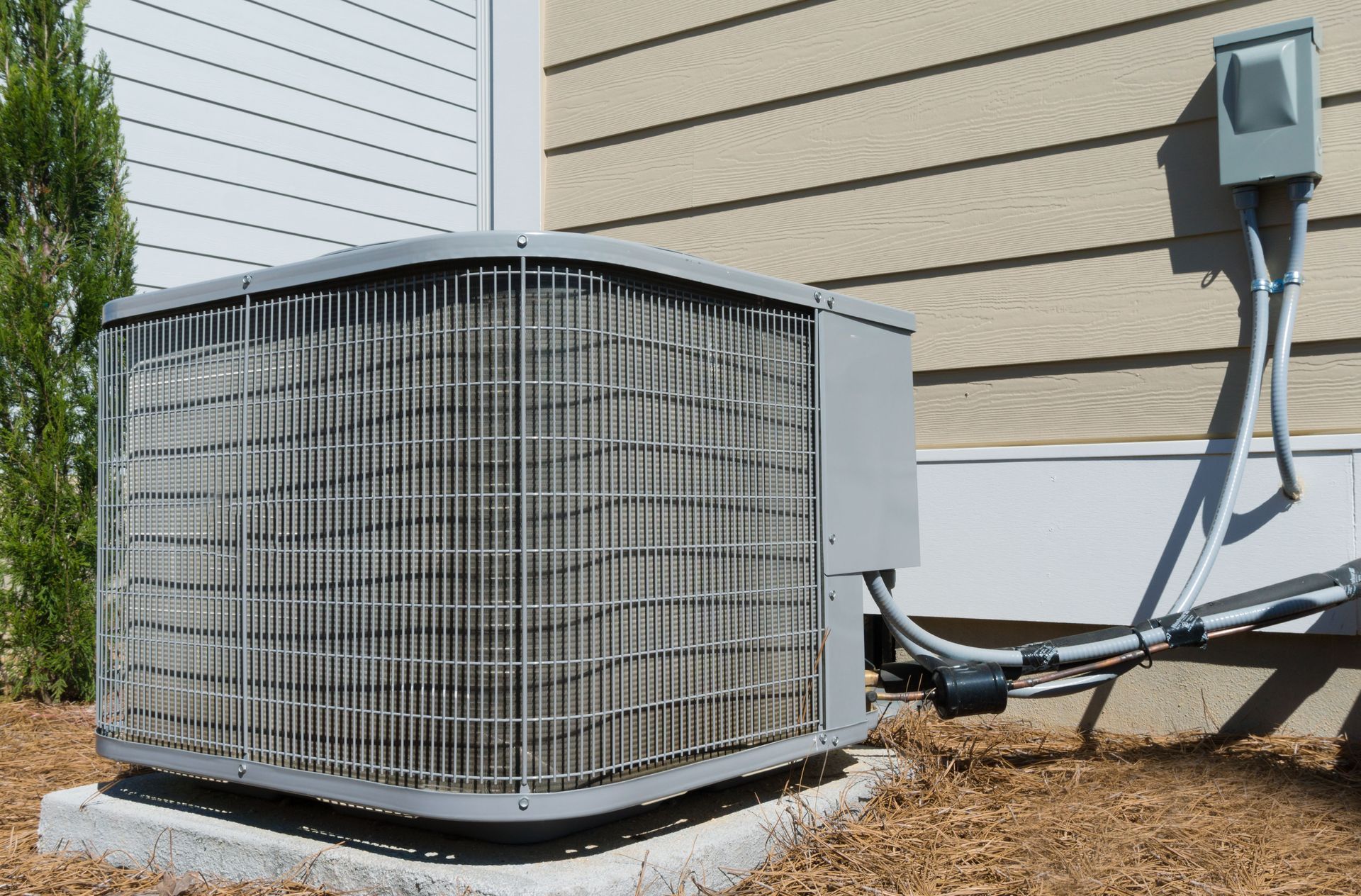
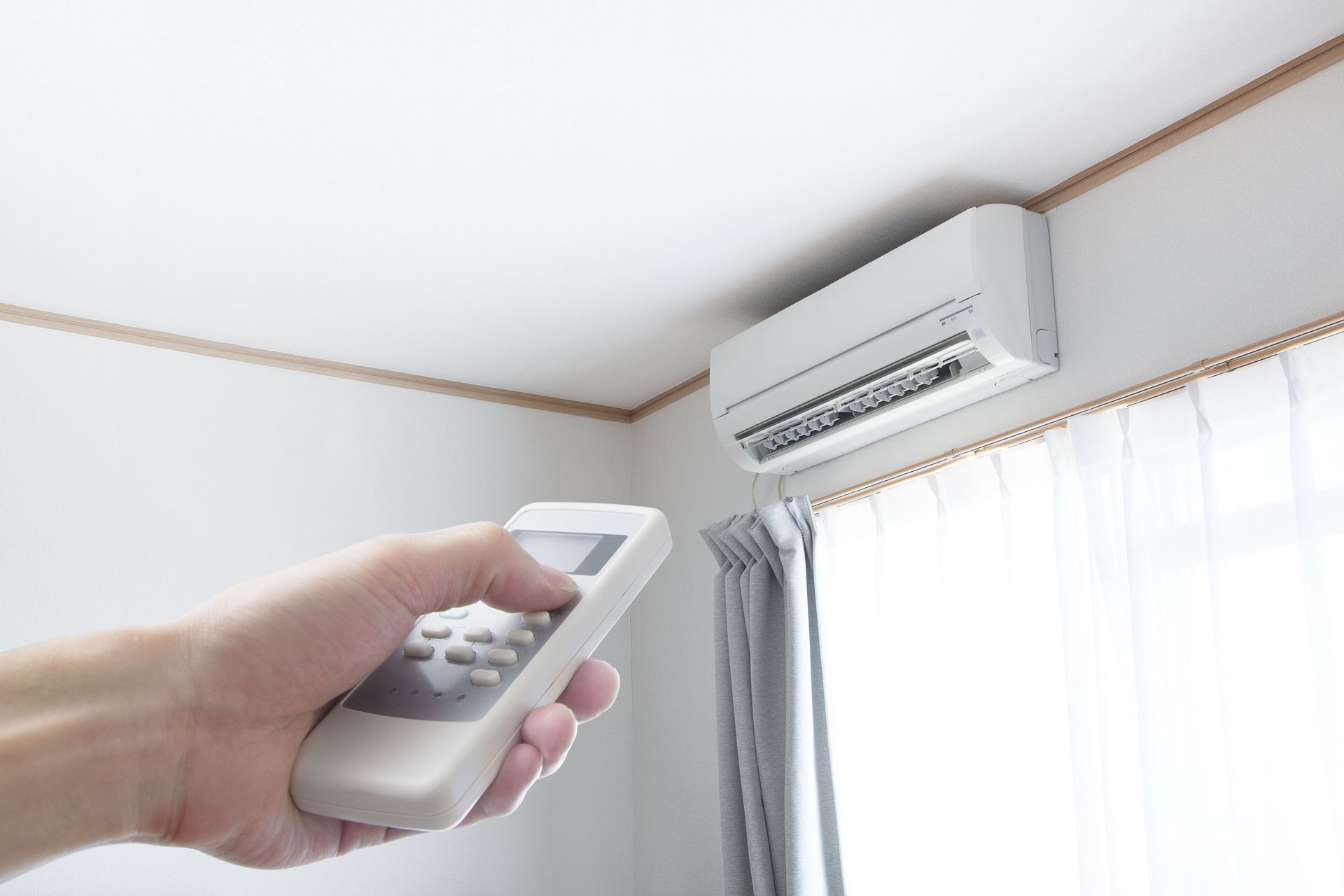
There are several types of systems to consider, ranging from traditional central air to modern ductless mini-splits and heat pumps. Central systems are ideal for homes with existing ductwork, providing a uniform temperature throughout the entire structure. Ductless systems, on the other hand, offer incredible flexibility for older homes or room additions where extending ducts is impractical. Heat pumps are becoming increasingly popular for their ability to provide both heating and cooling from a single, highly efficient unit.
Each system type comes with unique features like UV light filtration or advanced HEPA filters to improve indoor air quality. During your local HVAC installation, you might also consider adding a whole-home humidifier or dehumidifier to your setup. These additions work in tandem with your primary system to create a healthier and more comfortable living environment. Consulting with an expert will help you navigate these choices and select the technology that best aligns with your family’s health and comfort needs.
The Importance of Certified HVAC Professionals
The quality of your installation is just as important as the quality of the equipment you purchase. Certified professionals have the training necessary to perform complex load calculations and ensure that all electrical and refrigerant lines meet local safety codes. Working with an experienced contractor reduces the risk of installation errors that could void your manufacturer's warranty. A reputable professional will also provide a clear timeline for the project and respect your property during the process.
Professional installers also offer valuable insights into the latest industry trends and smart home integrations. They can help you set up advanced thermostats that allow you to monitor your system’s performance from your smartphone. Establishing a relationship with a trusted local company ensures you have a reliable point of contact for future maintenance and emergency repairs. This partnership provides peace of mind, knowing that your home’s climate control is in the hands of experts who understand the nuances of the equipment.
Finalizing Pre-Installation Preparations
Inspecting and Optimizing Your Ductwork
Your ductwork acts as the circulatory system for your home’s air, and its condition is critical to the success of a local HVAC installation. Even the most efficient unit will perform poorly if it is connected to leaky, undersized, or clogged ducts. Before the new system is installed, a technician should inspect the entire network for gaps, disconnected joints, or signs of mold. Sealing and insulating your ducts can prevent up to 30% of energy loss, making it a vital step in the preparation process.
Enhancing Insulation and Ventilation Standards
To get the most out of your new system, your home must be able to retain the conditioned air it produces. Check the insulation levels in your attic, crawl spaces, and walls to ensure they meet modern standards for energy conservation. Proper insulation reduces the workload on your HVAC system, allowing it to maintain the desired temperature with less effort. This not only lowers your energy bills but also reduces the wear on the system’s internal components.
As home technology continues to evolve, staying informed about the best practices for climate control will keep your property valuable and modern. The transition to a new system is the perfect time to reassess your home's overall energy profile and make holistic improvements. With the right preparation and expert guidance, your new HVAC system will serve as the reliable backbone of your household's daily comfort.
Finally, remember that the relationship with your HVAC professional should continue long after the initial setup. Regular maintenance and seasonal check-ups are essential to keeping your warranty active and your system running at peak efficiency. By staying proactive, you can ensure that your home remains perfectly conditioned, regardless of how the local weather patterns may shift in the future. For more information, contact Titan Heating and Cooling.