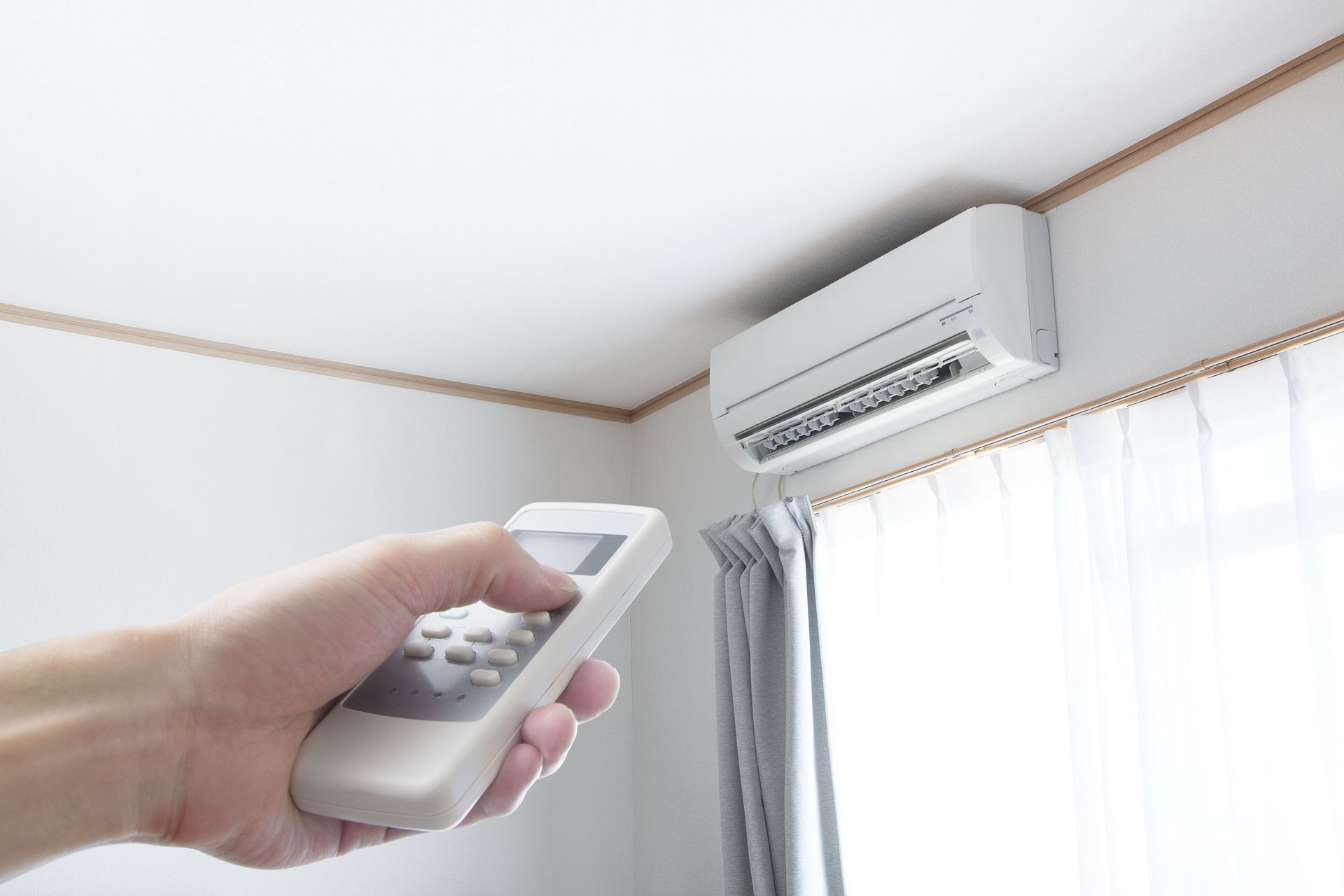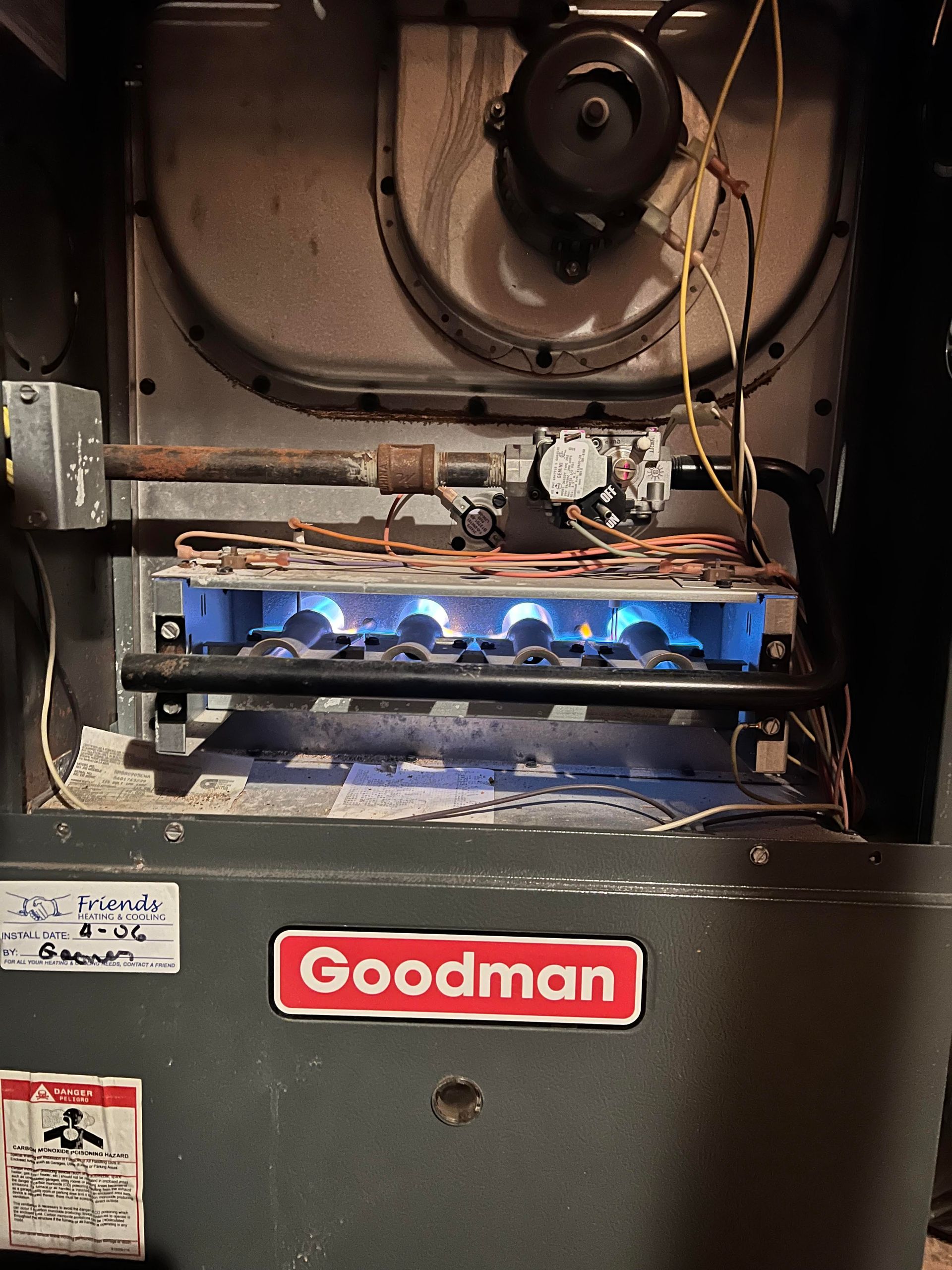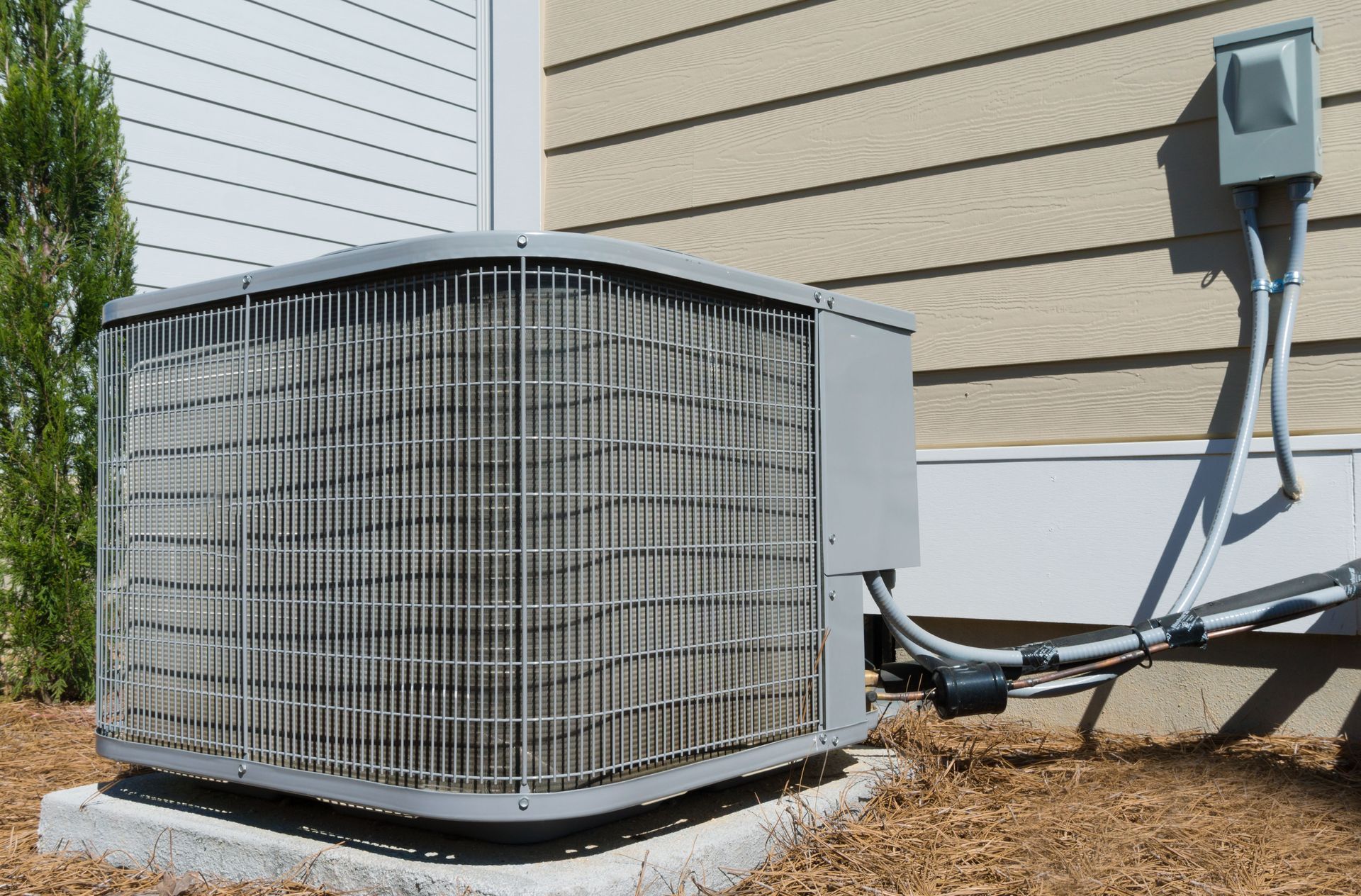
Heating, ventilation, and air conditioning equipment supports indoor comfort by regulating temperature, humidity, airflow, and sometimes filtration. When equipment operates improperly, the effects may include uneven temperatures, poor airflow, rising energy use, disruptive noise, or loss of heating and cooling. Delaying service can strain components and allow a manageable fault to grow. Reliable repair is therefore a priority for properties that depend on consistent indoor conditions. Timely diagnosis helps owners understand what failed, what work is necessary, and how the problem affects the remaining equipment.
Dependable Operation Supports Comfort and Safety
HVAC equipment must respond to seasonal demands. Cooling becomes especially important during hot, humid weather, while heating protects occupants and buildings during cold conditions. According to the U.S Energy Information Administration, air conditioning is used in 88% of homes nationwide. This widespread reliance shows how quickly a malfunction can disrupt routines. A failed system may be more than inconvenient for older adults, young children, people with certain health conditions, or businesses requiring controlled temperatures. Prompt restoration limits exposure to uncomfortable or potentially unsafe indoor conditions.
Temperature is only one part of performance. Airflow and moisture control influence comfort and how evenly conditioned air reaches different spaces. Some HVAC systems support filtration, although they cannot remove every pollutant or correct all air quality concerns. Dirty components, drainage problems, duct defects, or blower issues may interfere with circulation and humidity management. Qualified HVAC repair can identify whether poor conditions originate in the equipment, thermostat, ductwork, or elsewhere in the property instead of relying on assumptions based on one symptom.
Small Warning Signs Can Indicate Larger Problems
Many breakdowns are preceded by changes in operation. Grinding, rattling, buzzing, hissing, or repeated clicking may indicate loose parts, electrical faults, airflow restrictions, or refrigerant-related concerns. Short cycling, extended operating times, weak airflow, and uneven temperatures also deserve attention. Water near indoor equipment can point to drainage trouble, a frozen coil, or another condition requiring evaluation. Burning odors, smoke, or repeated breaker trips may indicate an immediate hazard; the equipment should be turned off and assessed by a qualified professional rather than repeatedly restarted.
A thermostat that displays the wrong temperature or fails to control the system can create comfort and efficiency problems. The cause might involve batteries, settings, sensors, wiring, or equipment communication. A room that remains warm or cold may reflect a blocked vent, damaged duct, insulation difference, or system fault. Reliable HVAC repair identifies the source before parts are replaced. Accurate diagnosis matters because different problems produce similar symptoms, and an incomplete repair may provide temporary relief while the actual defect continues to affect performance.
Delays Can Increase Energy Use and Damage
Malfunctioning equipment may run longer or cycle more frequently to reach the thermostat setting. A clogged filter, dirty coil, failing motor, duct leak, or incorrect refrigerant condition can reduce performance. Longer operating times may appear as higher utility bills, although weather, energy rates, and household habits also matter. Timely HVAC repair can correct mechanical or electrical faults before prolonged strain affects connected components. It also provides a basis for deciding whether repair, adjustment, or eventual replacement is the most reasonable response.
One worn component can influence others. Restricted airflow may contribute to coil problems, while repeated cycling can stress electrical and mechanical parts. Water from an unresolved condensate issue may also damage nearby materials. Continued operation is not always safe or economical when equipment shows serious symptoms. A professional can determine whether the unit should remain off pending service. Prompt attention may limit the work, reduce downtime, and protect remaining components, although no repair can prevent every future failure.
Reliable Service Protects Equipment Life and Value
HVAC equipment represents a substantial investment, and premature failure can create an unplanned replacement expense. Repairing a developing issue may help the system operate within intended conditions instead of forcing worn parts to compensate for a defect. Service records provide information about recurring problems, replaced components, and overall history. For properties being sold or leased, documented care may give buyers, tenants, or managers a clearer picture of equipment condition. Repairs should still be evaluated against system age, efficiency, condition, and the frequency of previous failures.
Maintenance and HVAC repair serve complementary purposes. Maintenance includes inspections, cleaning, testing, and adjustments intended to support operation and reveal concerns. Repair responds to an identified defect or failure. Routine service may reduce some breakdowns, but it does not make equipment immune to age, wear, electrical events, or component faults. When maintenance uncovers a problem, owners should request an explanation of its urgency and likely effects. This distinction supports informed decisions without treating every recommendation as an emergency.
Qualified Technicians Handle Complex Risks
HVAC systems combine electricity, moving parts, combustion equipment in some systems, pressurized refrigerant circuits, and drainage components. Diagnosis requires appropriate training, instruments, and safety practices. Opening electrical panels, altering refrigerant circuits, or bypassing controls can cause injury and damage equipment. Qualified technicians can test components, compare readings with manufacturer specifications, and follow applicable procedures. Their findings should connect the reported symptom to the recommended work so the owner understands why a component needs adjustment, repair, or replacement.
Professional service is important when a problem involves combustion, carbon monoxide concerns, repeated electrical faults, or refrigerant leakage. These conditions should not be approached through trial and error. A dependable provider of HVAC repair should explain immediate safety steps, identify limits on continued operation, and document the solution. Afterward, the technician should test the equipment and describe relevant observations. Clear communication cannot eliminate future risk, but it helps the owner understand system condition and any appropriate follow-up maintenance or monitoring.
Choosing a Repair Provider Requires More Than Price
Price matters, but the lowest estimate may not represent the best value if it omits diagnostics, required parts, or follow-up testing. Owners should confirm locally required credentials, insurance, relevant experience, and the scope of the written estimate. The estimate should distinguish diagnostic charges, labor, parts, warranties, and additional work requiring approval. Reviews provide context but should be considered alongside qualifications and service terms. A provider's willingness to answer questions and document recommendations may also indicate how transparently the work will be handled.
Response time is important during extreme weather or when equipment serves vulnerable occupants, customers, or temperature-sensitive operations. Availability should still be balanced with technical competence and honest communication. Before authorizing HVAC repair, owners can ask whether the company services the equipment, what the visit includes, and how estimate changes will be approved. Service agreements should be reviewed for maintenance frequency, exclusions, renewal terms, and emergency provisions. Understanding these details reduces misunderstandings and helps owners compare providers on the same basis instead of focusing on one advertised price.
Dependable service protects more than immediate comfort. Accurate diagnosis and timely work can restore airflow and temperature control, reduce operating strain, protect connected components, and limit disruption from a breakdown. Owners should respond to unusual sounds, odors, moisture, cycling, airflow changes, or unexplained performance declines before the problem grows. Choosing a qualified provider with clear estimates, appropriate credentials, and documented recommendations supports better repair and replacement decisions. This preparation also reduces uncertainty when an unexpected failure interrupts normal property operations. If you're looking for top-tier HVAC repair services, please reach out to Titan Heating and Cooling.